How to get a free cabin upgrade on a cruise ship (Myth vs. reality)
Discover the truth about free cruise cabin upgrades, from 'guarantee' fares to bidding systems on P&O, Royal Caribbean, and Cunard.
For many British holidaymakers, the dream of a 'fairy godmother' upgrade—where a check-in agent at Southampton’s Horizon Terminal hands over a keycard to a balcony suite because you dressed smartly—is a persistent myth. In reality, the cruise industry is more data-driven than ever, and ships are often sailing at 100% capacity. However, while 'free' upgrades are rarer than they once were, they are far from extinct. Understanding how cruise lines like P&O Cruises, Cunard, and Royal Caribbean manage their inventory is the key to positioning yourself for a move from an inside cabin to a sea view, or a balcony to a mini-suite, without thinning your wallet.
The Myth of 'Dressing Up' and Arriving Early
One of the most enduring myths in cruise travel is that looking the part or being first in the queue will net you a better cabin. Unlike airlines, where a gate agent might have discretion over a single seat, cruise cabin assignments are typically finalised days or weeks before departure by yield management software at head office.
- The Check-in Reality: Staff at the Port of Southampton or City Cruise Terminal are often third-party contractors, not cruise line executives. They do not have the authority to move you unless there is a genuine maintenance issue with your booked cabin.
- The 'Birthday' Factor: Simply mentioning it is your anniversary or a milestone birthday rarely results in an upgrade. Thousands of passengers celebrate occasions on every sailing; cruise lines prefer to acknowledge these with a card or a cake rather than a £1,000 cabin move.
- Empty Ships: Some travellers believe that if a ship isn't full, they can simply ask for a better room. In the modern era, cruise lines use aggressive 'guaranteed cabin' pricing and last-minute deals to ensure every berth is filled, meaning 'spare' rooms are a rarity.
The Guaranteed Cabin Strategy
If you are searching for the closest thing to a guaranteed 'value upgrade', the 'Guarantee' (or GTY) fare is your most potent tool. When you book a P&O Cruises 'Saver' fare or a Royal Caribbean 'GTY' rate, you are not choosing a specific cabin number. Instead, you are paying for a minimum category.
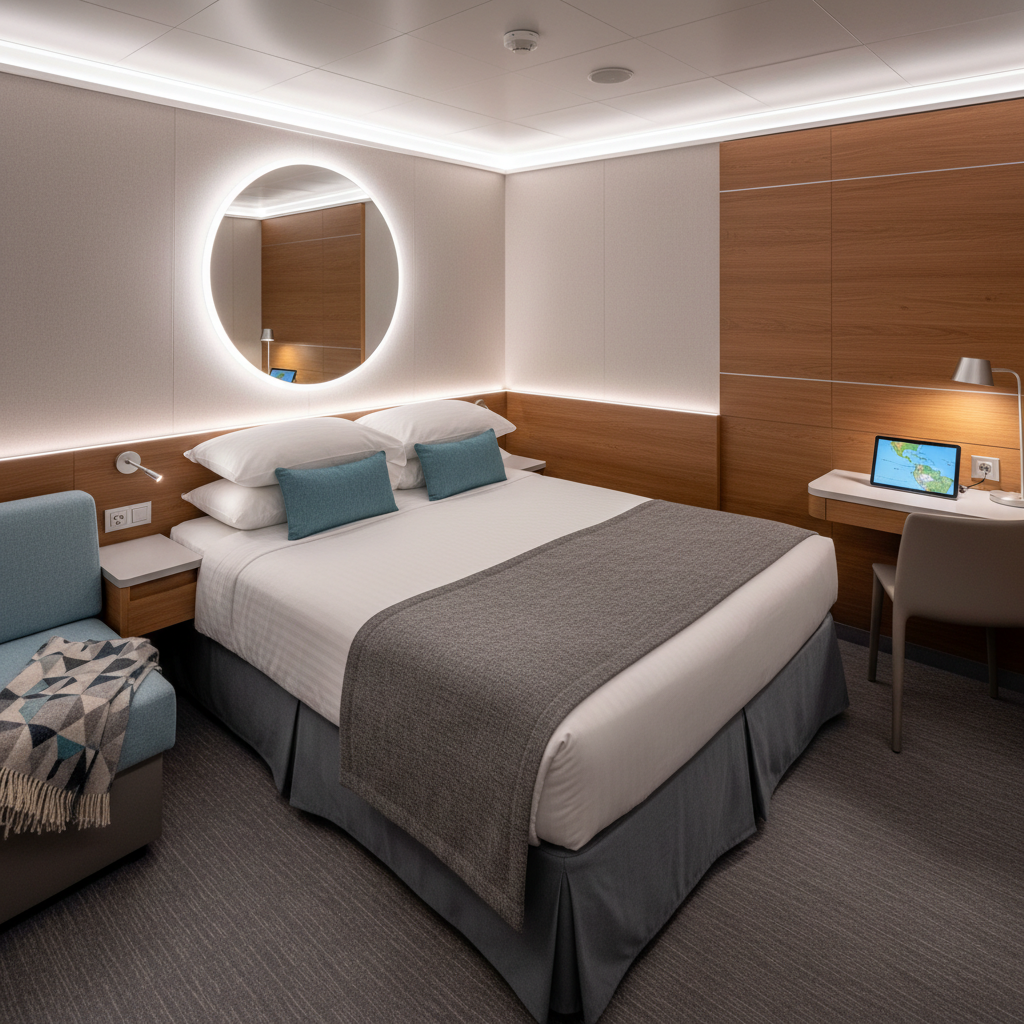
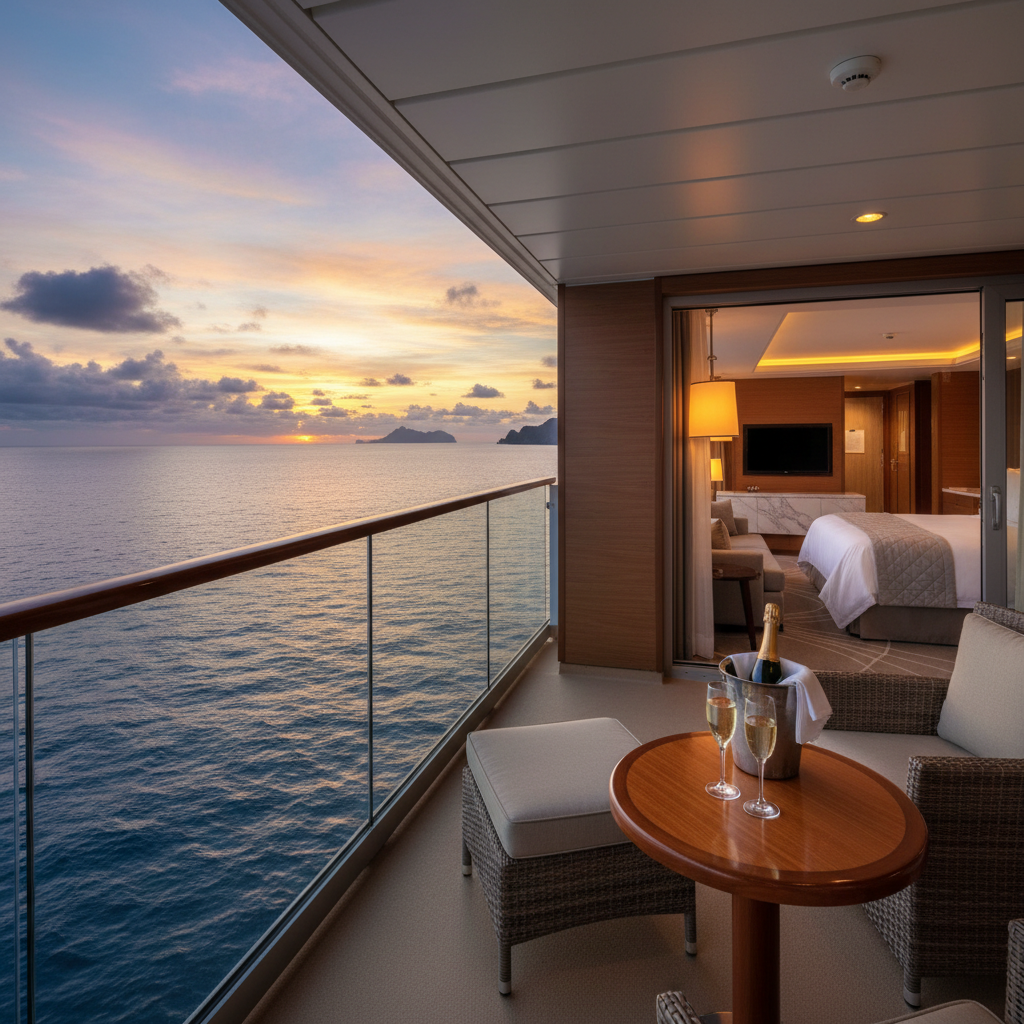
- How it works: You pay for the lowest price in a category (e.g., an Inside Cabin). If that category sells out, the cruise line will automatically move you up to the next available tier—perhaps a Sea View or even a Balcony—at no extra cost.
- The Risk: You have no say in your location. You could end up at the very front of the ship (high motion) or directly under the galley or nightclub. For many UK travellers, the £200–£400 saving per person outweighs the risk of noise.
- The Benefit: On lines like MSC Cruises or Princess Cruises, those who book GTY cabins are statistically much more likely to receive a multi-category jump than those who have hand-picked a specific room.
Loyalty Tiers and the 'Upgrade List'
Cruise lines are fiercely loyal to their repeat customers. If a ship has a handful of unsold premium cabins 48 hours before departure, they look to their loyalty programmes.
- P&O Cruises Peninsular Club: While not an advertised benefit for lower tiers, top-tier members (such as Caribbean or Baltic tier) are often prioritised for operational upgrades.
- Cunard's World Club: Cunard is known for its traditional approach. If the Queen Mary 2 has empty Princess Grill suites, they may move a Diamond-tier passenger up from a Britannia Club balcony to maintain the 'prestige' of the upper decks.
- The Mechanism: These upgrades are 'operational.' If the line has overbooked the cheaper inside cabins, they move a loyal passenger up to free up that inside cabin for another fare-paying guest.
The 'Bid to Upgrade' Systems
A significant shift in the last five years has been the move toward 'bidding' systems. Royal Caribbean (RoyalUp), Princess Cruises (Princess Upgrade), and Virgin Voyages all use this model. While not strictly 'free,' it allows you to secure a £1,000 upgrade for a fraction of the cost, sometimes as low as £50 per person.
- The Process: You receive an email approximately 30 to 60 days before sailing inviting you to bid on higher categories. You move a slider to choose your price point.
- The Strategy: Check the current price of the cabin you want. If a Balcony is currently £500 more than you paid for your Inside cabin, a bid of £150 might be successful. The cruise line would rather take £150 from you than leave the cabin empty.
- Marella Cruises: TUI’s cruise arm often operates differently. They may offer 'paid upgrades at the pier' if there is availability. It is always worth asking at the Guest Services desk once you have boarded, but be prepared to pay a standard supplement rather than getting it for free.
Booking via Specialist UK Cruise Agents
In the UK, many cruise bookings are managed by specialist travel agents who hold 'allotments' of cabins. Sometimes, an agent may have a surplus of higher-grade cabins they need to clear.
- Group Allotments: Large UK agencies often buy blocks of cabins on popular Southampton departures (like Iona or Arvia summer sailings). If they have unsold Balcony cabins near the departure date, they may upgrade their existing customers who booked early to keep them happy and clear the inventory.
- Price Drops: Under the 'Price Promise' schemes of some lines, if the price of your cruise drops after you book, you might not get a refund, but your agent can often negotiate an upgrade to a better cabin to make up the value difference.
Operational Realities: When 'Free' Actually Happens
True, zero-cost upgrades are usually 'operational moves.' This happens when a cruise line has overcommitted a certain cabin type. Every ship has more Inside and Balcony cabins than Suites. If a large corporate group or a travel agency books 50 Inside cabins at the last minute, the cruise line may find themselves 'oversold' in that category.
To fix this, they move existing passengers up. To be the one who gets moved, you should:
- Avoid 'linked' bookings: If you are travelling in a group of three cabins and want to stay together, the line won't move just one of you. Mark your booking as 'willing to move'.
- Travel in shoulder season: Sailings from Southampton in May or October are more likely to have spare capacity in higher grades than the peak school holiday weeks in August.
- Book the 'Lead-in' category: The most common operational upgrades move people out of the very cheapest cabins to make room for last-minute budget bookers.
Setting Realistic Expectations
While the allure of a free upgrade is strong, it is critical to 'check at time of booking' what your specific fare allows. For example, P&O Cruises 'Early Saver' and 'Saver' fares have different rules regarding cabin changes compared to their 'Select Price' fares. On Fred. Olsen, which operates smaller ships like Bolette and Borealis, the intimate nature of the vessels means cabin categories are more varied, and free leaps are rarer.
Ultimately, the best way to enjoy your cruise is to book a cabin you will be happy to stay in. If a free upgrade arrives in your inbox or at the terminal, treat it as a delightful bonus to your British seafaring adventure, rather than a guaranteed right.
Not sure where to start?
Answer a few quick questions and we'll match you with your perfect cruise.