How to avoid stomach bugs and norovirus on a cruise ship
Learn practical tips to stay healthy on your next cruise, from hand-washing secrets to buffet safety on lines like P&O and Royal Caribbean.
A potential outbreak of norovirus is the one cloud that can loom over an otherwise perfect holiday. For British travellers departing from Southampton or Tilbury, the close proximity of a cruise ship environment occasionally leads to the spread of gastrointestinal illnesses. However, it is vital to keep perspective: most cruisers return home with nothing more than a suntan and a slightly tighter waistband. Statistically, you are no more likely to catch a stomach bug on a P&O Cruises ship than you are in a busy London office or a primary school. Because cruise lines are mandated to report every instance of illness to health authorities, these incidents simply receive more media scrutiny. By following a few disciplined habits and understanding how modern ships like MSC Euribia or Sky Princess operate, you can significantly reduce your risk and ensure your holiday remains memorable for all the right reasons.
The Gold Standard: Hand Washing vs Sanitiser
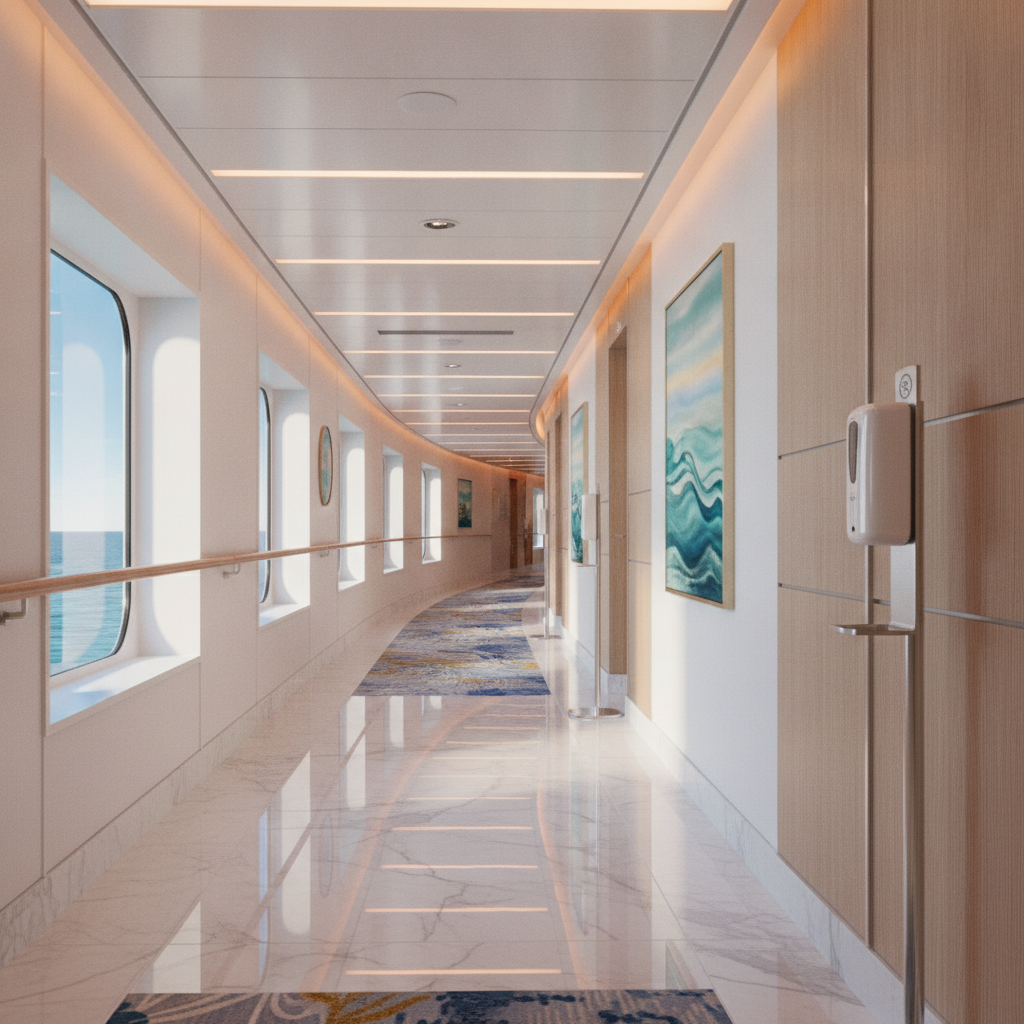
You will encounter automated hand sanitiser dispensers at the entrance to every dining room on ships operated by Royal Caribbean, Celebrity Cruises, and Marella. While these gels are a helpful secondary layer of protection, they are not a substitute for traditional hand washing. Norovirus is a hardy virus; it lacks a lipid envelope, which means the alcohol in most hand gels cannot easily penetrate and neutralise it.
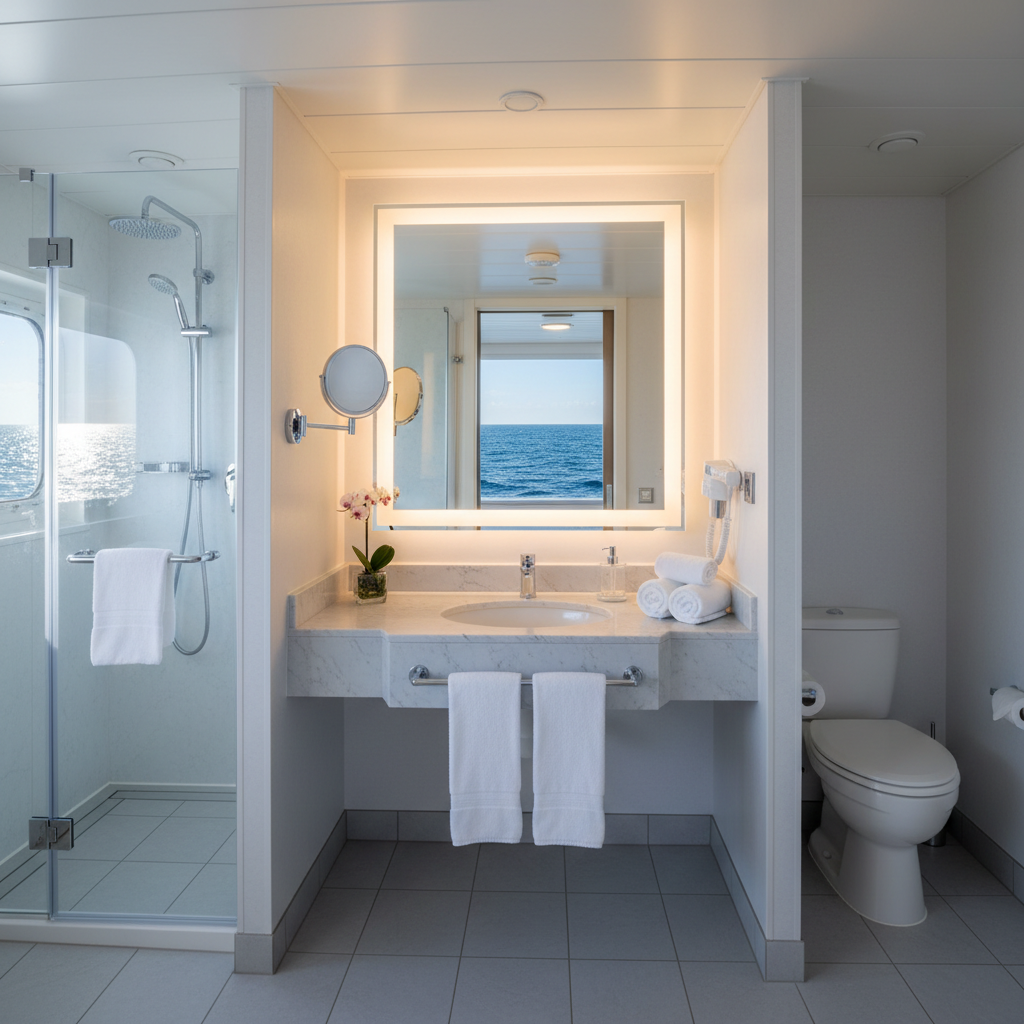
- The 20-Second Rule: Use the public toilets near the restaurants rather than just the gel dispensers. Use warm water and plenty of soap, scrubbing for at least 20 seconds.
- The 'Washy Washy' Culture: On Royal Caribbean ships, you will often find crew members singing at the buffet entrance to encourage hand hygiene. Do not bypass them; it is the single most effective barrier against illness.
- Paper Towels: When exiting a public bathroom, use a paper towel to turn the handle of the door. Avoid touching high-traffic surfaces immediately after cleaning your hands.
Navigating the Buffet Safely
The buffet is often cited as the 'danger zone' for stomach bugs, but modern cruise lines have evolved their service to mitigate this. On luxury lines such as Cunard or Princess Cruises, you will often find that for the first 48 hours of a cruise—the typical incubation period for bugs brought from shore—crew members will serve food to you from behind the glass rather than letting you use shared tongs.
- Observe the Tongs: In a self-service environment, the handles of serving spoons are high-touch points. If you are particularly concerned, look for the 'served' sections or opt for the main dining room where meals are plated in the galley.
- Avoid Bare-Handed Snacking: It is tempting to grab a slice of pizza or a biscuit by hand. Always use the provided utensils, even for items that seem 'dry'.
- Freshly Cooked is Best: Opt for live cooking stations, such as the omelette bars or stir-fry stations found on P&O’s Iona and Arvia. These meals are prepared at high temperatures right in front of you.
Choosing Your Cabin and Public Spaces
Your choice of cabin and how you move around the ship can impact your exposure. Smaller ships, such as those in the Fred. Olsen Cruise Lines fleet (Bolette and Borealis), have fewer passengers, which can naturally lower the risk of mass transmission compared to a mega-ship. However, regardless of ship size, your personal 'biosecurity' matters.
- The Cabin Remote and Switches: Upon arrival, use a pack of antibacterial wipes (specifically those stated to kill viruses) to wipe down the television remote, the telephone, and the light switches. These are the most frequently touched items that the cabin steward may only have time to clean quickly during the turnaround in Southampton.
- The Stairs vs The Lift: Lifts are cramped, poorly ventilated spaces with buttons touched by hundreds of people per hour. If you are able, use the stairs. It is better for your health, helps burn off the five-course dinner, and keeps you out of confined spaces where viruses spread through droplets.
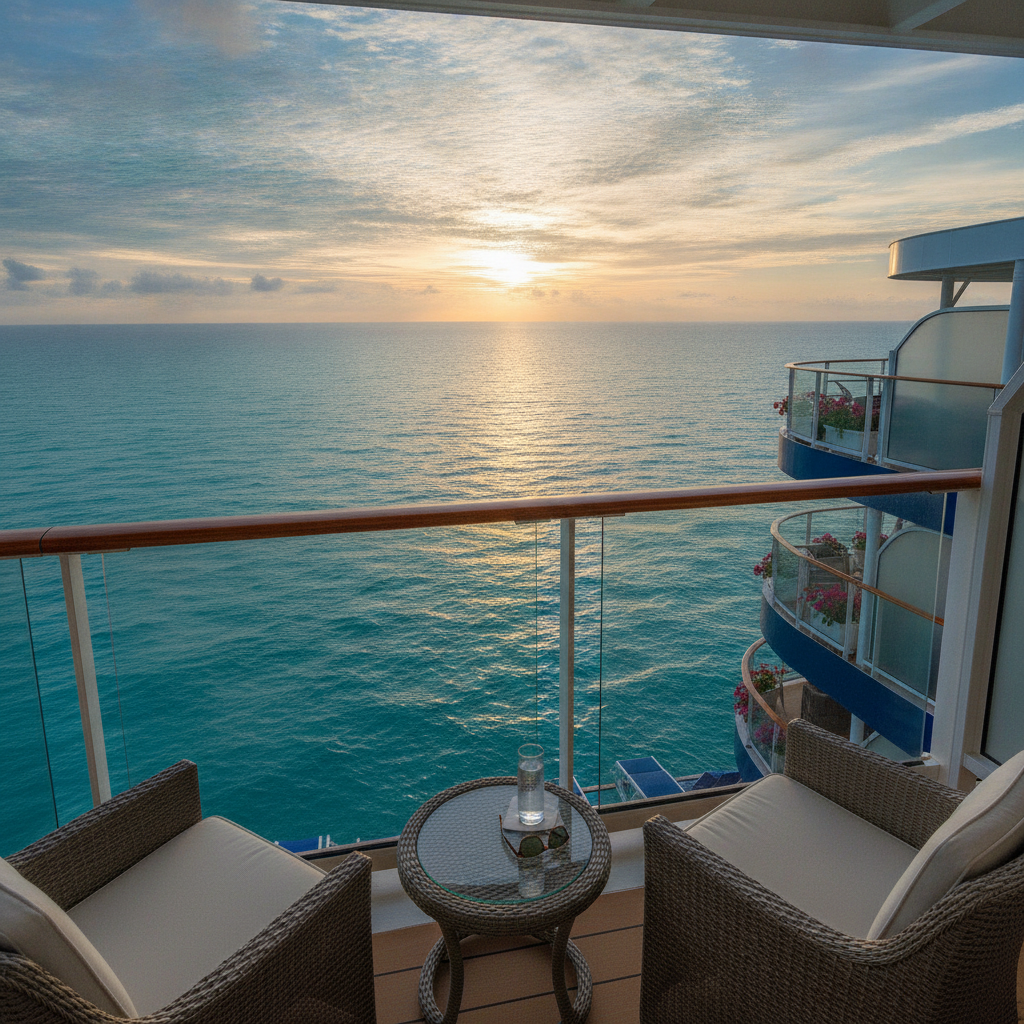
- Balcony Benefits: Fresh air is a natural enemy of many pathogens. Booking a balcony cabin (typically starting from around £800-£1,200 per person for a 7-night Mediterranean cruise) allows for better ventilation in your personal living space.
Personal Precautions and Packing Essentials
You do not need to turn your cabin into a pharmacy, but a small 'health kit' can provide peace of mind. Note that while UK pharmacies sell various anti-diarrheal medications, some cruise lines have specific protocols if you report symptoms, which may include a brief period of cabin isolation to protect the rest of the passengers.
- Packing List: Bring a high-quality, virus-effective hand sanitiser for use when you are on shore excursions in ports like Lisbon or Le Havre. Unlike the ship, public facilities in ports may lack soap.
- Hydration: Stick to bottled water if you have a sensitive stomach, though the desalinated and treated water on ships like those from Virgin Voyages is processed to extremely high safety standards.
- Early Reporting: If you do feel unwell, contact the ship’s medical centre immediately. Many lines, including P&O and Princess, will often waive the initial consultation fee for gastrointestinal symptoms because they want to identify cases early. Hiding an illness is the quickest way to cause a ship-wide outbreak.
Understanding the 'Norovirus Season'
While bugs can happen year-round, there is a slight increase in cases during the winter months, often coinciding with the 'Northern Lights' itineraries or Christmas Market cruises. This is largely because passengers spend more time indoors in climate-controlled environments.
- Check Policies at Booking: Before you pay your deposit, check the cruise line's 'Conditions of Carriage'. These documents outline your rights and the ship’s protocols regarding illness.
- Travel Insurance: Ensure your policy includes 'Cabin Confinement' cover. If the ship's doctor mandates that you stay in your room for 24-48 hours, a good policy (costing roughly £30-£70 for a single trip depending on age) will compensate you for the lost days of your holiday.
- Shore Excursion Caution: Often, a stomach bug is not caught on the ship but during a shore excursion. Be wary of street food or unpeeled fruit in tropical destinations. On a Mediterranean cruise departing Southampton, the food standards at your destinations are generally high, but always use common sense in busy tourist hubs.
What the Cruise Lines Are Doing
It is reassuring to know that modern ships are designed with hygiene in mind. MSC Cruises, for example, utilises advanced HEPA air filtration systems on its newer vessels. Most lines also perform a 'Deep Clean' during every turnaround day in port. If you see crew members in high-visibility vests spraying a fine mist in the corridors, they are using electrostatic sprayers that disinfect entire rooms and surfaces in seconds. These proactive measures are the reason why, despite the headlines, the vast majority of 'Southampton-round' cruises pass without a single reported case of norovirus. By staying vigilant with your own hygiene, you can relax and enjoy the world-class dining and entertainment that makes cruising such a favoured way to travel.
Not sure where to start?
Answer a few quick questions and we'll match you with your perfect cruise.