Top 10 everyday items that are strictly banned on cruise ships
Discover the 10 everyday items, from extension leads to kettles, that are strictly banned on cruise ships to ensure safety at sea.
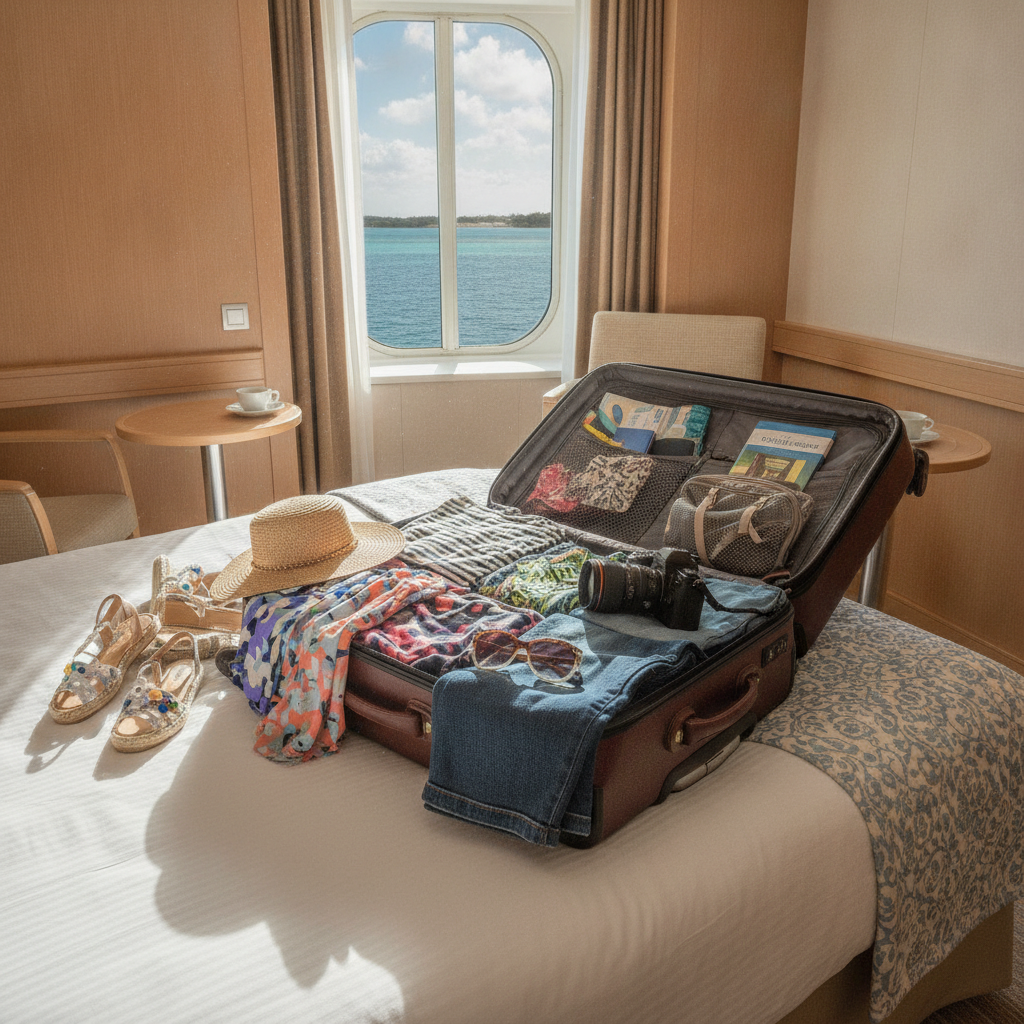
Packing for a cruise from Southampton is quite different from preparing for a land-based holiday. While you don't have to worry about the 23kg weight limit of a low-cost airline when driving to the City Cruise Terminal, you are subject to stringent maritime safety regulations. Cruise lines like P&O Cruises, Cunard, and Princess Cruises operate under strict international SOLAS (Safety of Life at Sea) guidelines. These rules exist because fire is the greatest risk at sea, and seemingly innocuous household items can pose a significant threat to a ship's electrical grid or fire safety systems. If security staff at the terminal find a prohibited item in your suitcase during the X-ray scan, it will be confiscated and held in a secure lock-up until you disembark at the end of your voyage.
1. Multi-Way Extension Leads and Surge Protectors
Perhaps the most common item confiscated at the port is the standard UK multi-plug extension lead. While older ships like P&O’s Aurora or some of the Fred. Olsen fleet may have limited power sockets, bringing a domestic extension cord from home is a major fire risk. Most household extension leads use surge protectors which can interfere with a ship’s electrical distribution system, potentially causing a fire.
- The Restriction: Standard surge-protected power strips are strictly banned on almost all lines, including Royal Caribbean and MSC Cruises.
- The Solution: If you must have more ports, look for a 'non-surge protected' multi-plug adapter or a simple USB hub. Many modern ships, like P&O’s Arvia or Virgin Voyages' Resilient Lady, have ample USB-A and USB-C ports built into the bedside lamps and desks.
- Top Tip: If you have a medical requirement (such as a CPAP machine), contact the cruise line’s accessibility department in advance. They will often provide an approved extension lead for your cabin free of charge.
2. Clothes Irons and Travel Steamers
It is tempting to pack a small travel iron to smooth out shirts crushed in your suitcase, but these are a universal 'no-go' across the industry. Heating elements that can be left unattended are viewed as a critical hazard. This rule is strictly enforced by Marella, TUI, and Ambassador Cruise Line.
- The Restriction: Both full-sized and travel-sized irons and garment steamers are prohibited in staterooms.
- The Solution: Most British-focused lines, such as P&O Cruises and Cunard, provide complimentary self-service launderettes on most decks equipped with irons and boards. Alternatively, you can use the ship’s professional pressing service; expect to pay between £3 and £6 per shirt.
- Practical Alternative: Anti-crease sprays (like Lenor Crease Releaser) are permitted and highly effective for lighter fabrics. Hanging your clothes in the bathroom while you take a hot shower can also help steam out minor wrinkles.
3. Kettles and Coffee Makers
British travellers famously love their tea, and the desire to brew a cuppa in the privacy of your balcony is strong. However, you cannot bring your own kettle or pod machine on board. Domestic appliances are not 'PAT tested' for maritime use and draw a significant amount of current, which can trip the cabin's circuit breaker.
- The Exception: P&O Cruises, Cunard, Marella, and Fred. Olsen provide kettles, tea, and coffee facilities in every cabin as standard because they understand the UK market.
- The Restriction: On US-based lines like Royal Caribbean, Celebrity Cruises, and Norwegian Cruise Line (NCL), kettles are rarely provided in standard cabins, and bringing your own is strictly forbidden.
- The Solution: Use 24-hour room service. On many lines, a morning tea or coffee delivery is complimentary, though some may charge a small delivery fee (usually around £4-£7).
4. Specific Electronics: Drones and Fans
The rules around drones have tightened significantly in recent years. While some lines like Royal Caribbean technically allow you to bring a drone on board for use ashore, many others, including MSC and Disney Cruise Line, ban them entirely from the ship.
- Drones: If permitted, they must be stored in your cabin and can only be used on land, outside the port area. Using a drone from the ship’s deck will result in immediate confiscation and potential removal from the cruise.
- Electric Fans: Large floor-standing or desk fans are usually prohibited. However, small, battery-operated or USB-rechargeable fans are generally allowed. If you require a mains-powered fan for a medical condition, it must be cleared by the line's technical team at the Southampton terminal.
5. Spirits and Beer (The 'Booze' Ban)
While not a safety hazard in the traditional sense, 'contraband' alcohol is the most frequently seized item at security. Cruise lines have different policies regarding how much booze you can bring on board to protect their bar revenue.
- P&O & Cunard: These lines are relatively generous, allowing each adult to bring up to 1 litre of wine, Champagne, or beer on board at the initial embarkation.
- Royal Caribbean & Celebrity: Usually allow two 750ml bottles of wine or Champagne per stateroom, but no beer or spirits.
- MSC & Virgin Voyages: Generally prohibit all outside alcohol. Any bottles found in your luggage—or bought in duty-free during a port call—will be tagged and held in the 'naughty cupboard' until the final morning of the cruise.
6. CBD Oil and Licensed Products
This is a grey area that catches out many UK travellers. Even if you have a legal prescription or purchased CBD oil over the counter at a UK pharmacy (like Boots or Holland & Barrett), it is strictly banned on almost all major cruise lines.
- Why? Cruise ships follow federal and international laws. For example, because Virgin Voyages and Royal Caribbean are US-based corporations, they follow US federal law, where CBD is often still contested. Furthermore, many ports of call in the Caribbean or Middle East have zero-tolerance policies. Carrying these items could lead to legal trouble with local authorities, not just the cruise line.
7. Candles, Incense and 'Open Flames'
It may sound romantic to light a scented candle while getting ready for a gala dinner on the Queen Mary 2, but open flames are the number one cause of shipboard fires.
- The Restriction: Candles, incense burners, and even 'warmers' for wax melts are banned.
- Safe Alternative: Battery-operated LED tea lights or flameless candles are perfectly acceptable and provide the same evening ambience without the risk. These are widely available for a few pounds at shops like B&M or Primark before you head to the port.
8. Sporting Equipment (Kites to Kayaks)
You might be planning an active holiday, but many types of sporting gear are restricted.
- Banned Items: Kites, surfboards, bicycles, and skateboards are not allowed. You also cannot bring 'hoverboards' or self-balancing scooters due to the lithium-ion battery fire risk.
- The Exception: Golf clubs are generally permitted but must be stored in your cabin or a designated area on the ship. Snorkelling gear (fins and masks) is also allowed.
9. Homemade Food and Perishables
Biosecurity is a major concern, particularly when sailing between different countries. Cruise lines must adhere to strict health and safety protocols (HACCP) to prevent the spread of norovirus and other food-borne illnesses.
- The Restriction: You cannot bring 'open' food or home-cooked meals on board. This includes that Tupperware of sandwiches for embarkation day or a homemade birthday cake.
- What is allowed? Pre-packaged, factory-sealed snacks like bags of crisps, biscuits, or sweets are generally fine. If you have a specific dietary requirement (e.g., highly specific gluten-free bread), always notify the cruise line's special services department at least 30 days before departure from Southampton.
10. Sharp Objects and 'Tools'
While a small pair of nail scissors is usually fine, any blade longer than 4 inches (roughly 10cm) will be confiscated. This includes multi-tools like Swiss Army Knives or Leathermans.
- Prohibited: Kitchen knives, decorative swords bought as souvenirs, and even large DIY tools like screwdrivers or hammers.
- Souvenirs: If you buy a traditional knife or blade as a souvenir in a port (such as a decorative Gaucho knife in South America), you must declare it when re-boarding. Security will hold it for you and return it on the final day of the cruise.
Before you set off for the Horizon or Mayflower terminal in Southampton, always check the 'Prohibited Items' list on your specific cruise line’s website. Policies can change, and what was allowed on your last cruise three years ago might be on the banned list today. Packing smart ensures a swift check-in and prevents the embarrassment of being summoned to 'the naughty room' to explain your luggage contents.
Not sure where to start?
Answer a few quick questions and we'll match you with your perfect cruise.