Expedition cruising: Affordable ways to see the Northern Lights
Discover how to see the Northern Lights on a budget, covering no-fly UK departures, savvy cabin choices, and affordable cruise line options.
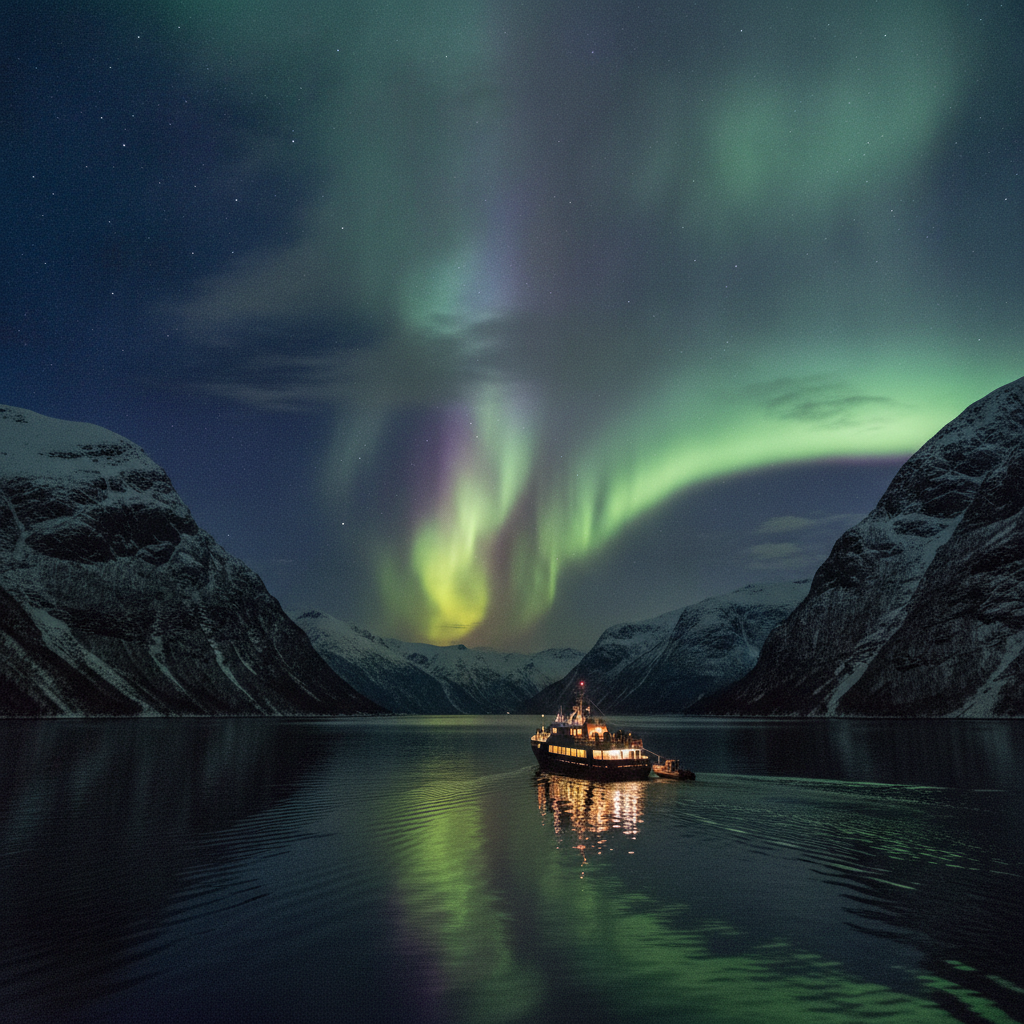
For many British travellers, witnessing the Aurora Borealis is the ultimate bucket-list ambition. Traditionally, expedition cruising to the Arctic Circle has been viewed as a high-cost luxury, often involving expensive flights to Longyearbyen or Tromsø and specialized ice-strengthened vessels. However, the surge in popularity for Northern Lights voyages has opened up the market. By choosing the right departure port—specifically Southampton or Tilbury—and opting for established British or European lines, you can experience the magic of the high latitudes without the five-figure price tag. The key to an affordable expedition lies in timing, cabin selection, and understanding that the 'expedition' experience is now available on much more accessible, mid-sized ships.
The Southampton Advantage: No-Fly Value
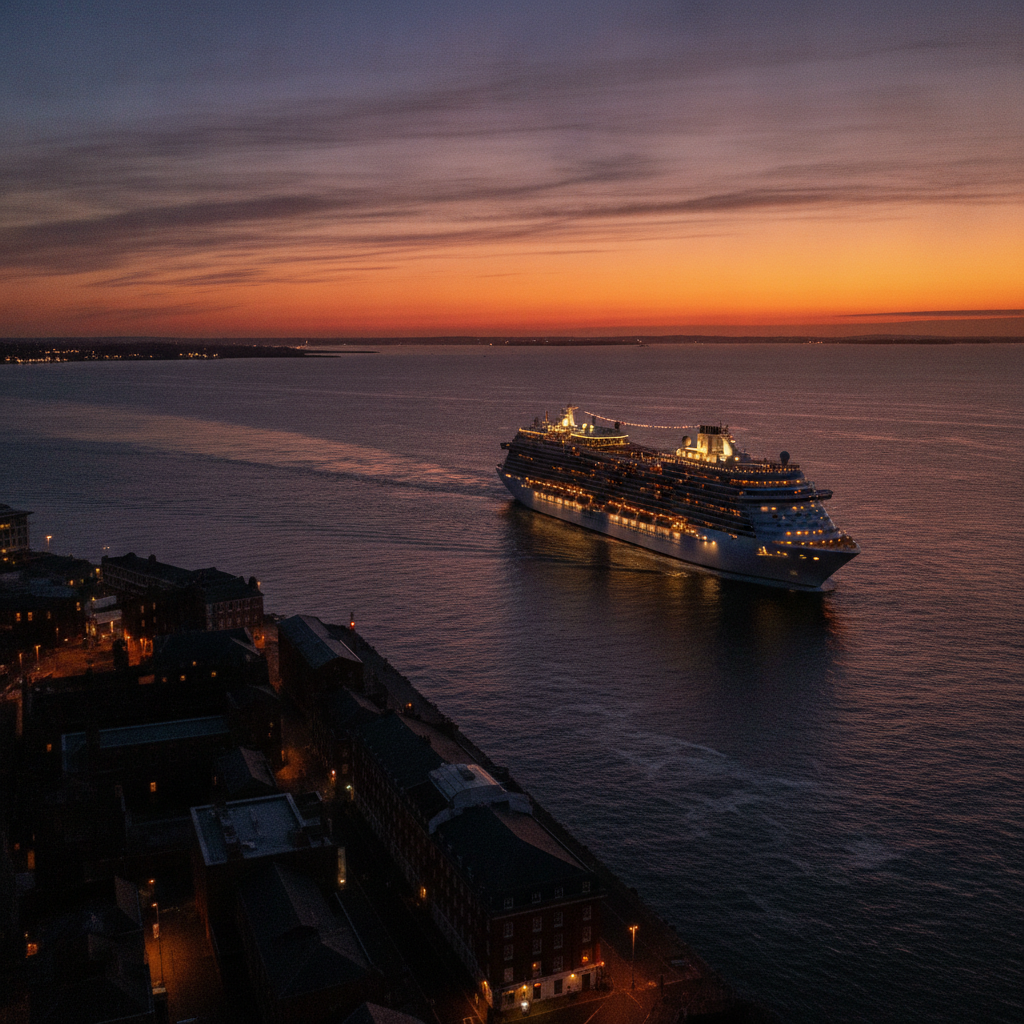
One of the most effective ways to reduce the cost of a Northern Lights cruise is to remove the flights entirely. For UK passengers, departing from Southampton or Newcastle eliminates the expense of regional transfers and excess baggage fees for heavy winter gear.
- P&O Cruises: Their winter itineraries to Norway often span 12 to 14 nights. Ships like Aurora (an adult-only mid-sized ship) and Iona (larger, newer) offer regular departures. Prices for a 12-night trek into the Arctic Circle can start from as little as £899 per person if booked during off-peak windows.
- Fred. Olsen Cruise Lines: Known for their smaller, more intimate ships like Bolette and Borealis, Fred. Olsen often sails from Newcastle or Liverpool. Their smaller size allows them to navigate narrower fjords that larger vessels must bypass, providing a more authentic 'expedition' feel at a fraction of the price of a dedicated polar specialist.
- Cunard: While associated with luxury, Cunard’s Queen Mary 2 or Queen Victoria offer 'Norway and Aurora' itineraries that are surprisingly competitive when booked as a 'Saver' fare. You get the white-glove service and planetarium lectures on astronomy, which add immense value to the astronomical focus of the trip.
Timing Your Trip for Maximum Value
The Northern Lights season technically runs from late September to late March. To find the best balance between price and sighting probability, you must be strategic with your calendar.
- The Shoulder Season: Late September and early October often see lower prices than the deep winter months. While you have slightly fewer hours of darkness, the weather is often milder, meaning you won’t need to invest as heavily in specialized thermal gear.
- The November Window: Early November, before the Christmas market cruises begin, is frequently a 'dead zone' for travel agents, leading to significant price drops. You can often find balcony cabins for the price of an inside room during this period.
- January Blues: Once the festive season concludes, prices plummet. If you can brave the deepest cold of the Norwegian winter, mid-January offers the most darkness (the 'Polar Night') and the lowest cruise fares of the entire year.
Choosing the Right Line for Your Budget
Not all cruise lines approach the Northern Lights in the same way. Some include everything in the upfront price, while others allow you to 'pay as you go,' which is often better for those on a strict budget.
- Marella Cruises: For a truly predictable budget, Marella (TUI) is excellent because they are 'all-inclusive' as standard. Your tips and drinks are factored into the price. While they typically operate in the Mediterranean or Caribbean, their occasional North Cape itineraries from UK ports are exceptionally good value for those who want no hidden costs.
- Ambassador Cruise Line: Operating out of Tilbury, this is a dedicated British no-fly line. They specialise in 'premium value' cruising. Their Northern Lights voyages on Ambience are specifically designed for the over-50s market, focusing on traditional cruising values and very competitive pricing, often starting under £80 per person, per night.
- Princess Cruises: Known for their 'MedallionClass' technology, Princess often runs ‘Search for the Northern Lights’ itineraries. If you book a 'Princess Plus' package, you cover your Wi-fi, drinks, and gratuities, which can save you hundreds of pounds over a two-week voyage compared to paying individually.
The 'Inside Cabin' Strategy
In traditional Caribbean cruising, a balcony is often considered essential. However, for a Northern Lights expedition, an inside cabin is a savvy way to save between £400 and £800 per person.
- Darkness is Key: To see the Aurora, you need to be away from the ship's internal lights. Most sightings happen on the top deck or in a darkened observation lounge. You will rarely see the lights through a cabin window or from a private balcony due to the reflection of the cabin lights on the glass.
- Public Spaces: Ships like P&O’s Iona feature the SkyDome, an incredible glass-roofed space that allows you to watch the sky in climate-controlled comfort. Staying in a cheaper inside cabin and spending your evenings in these public observation areas is a much more practical way to experience the Arctic.
- The 'Aurora Alert' System: Most modern ships have an automated bridge alert system. You can opt-in to receive a phone call or cabin announcement if the lights appear. This makes the luxury of a balcony less necessary, as you can simply head to the deck when the notification sounds.
Managing Onboard and Shore Costs
The cruise fare is only one part of the equation. Norway is notoriously expensive for shore-based food and drink, so staying on the ship as much as possible is a major cost-saver.
- Pre-book Excursions: 'Aurora Hunting' tours by coach can cost upwards of £150 per person. Check if your cruise line offers a discount for pre-booking before you leave the UK. Alternatively, look at ships that dock overnight in Alta or Tromsø; these ports have excellent public transport or walkable viewpoints that cost nothing.
- The Drinks Package Debate: On a cold-weather cruise, you may find you consume fewer cold drinks and more coffee or tea. Check if a 'Refreshment' or 'Coffee' package is cheaper than a full alcohol package. Many British lines include tea and coffee facilities in the cabin, which is a significant perk not always found on American lines like Royal Caribbean or MSC (check at the time of booking as policies evolve).
- Thermal Gear: Do not buy expensive expedition clothing from the ship’s boutique. Purchase your base layers, merino wool socks, and windproof jackets from UK high-street outdoor retailers before you depart.
Expedition vs. Traditional Cruise Ships
It is important to distinguish between a 'dedicated expedition ship' and a 'cruise ship on an expedition itinerary.'
- Dedicated Expedition: Lines like Hurtigruten or HX (formerly Hurtigruten Expeditions) use smaller ships with scientists and Zodiac boats. These are fantastic but generally command a higher price point (starting from £2,500+).
- Mainstream Expedition: By choosing a mainstream line like MSC Cruises or Virgin Voyages (which has recently introduced ‘Arctic Circle’ pathways), you are getting the scale of economy. You might have 2,000 other passengers, but you are seeing the same sky and the same fjords for a third of the price. If your primary goal is the Aurora rather than scientific lectures, the mainstream lines offer far superior value for money.
Ready to explore Northern Europe & Fjords?
Browse the latest live cruise deals matched to this guide.