3 things you should NEVER buy on a cruise ship (do this instead)
Discover the three items you should never buy on a cruise ship to save hundreds on your next Southampton departure.
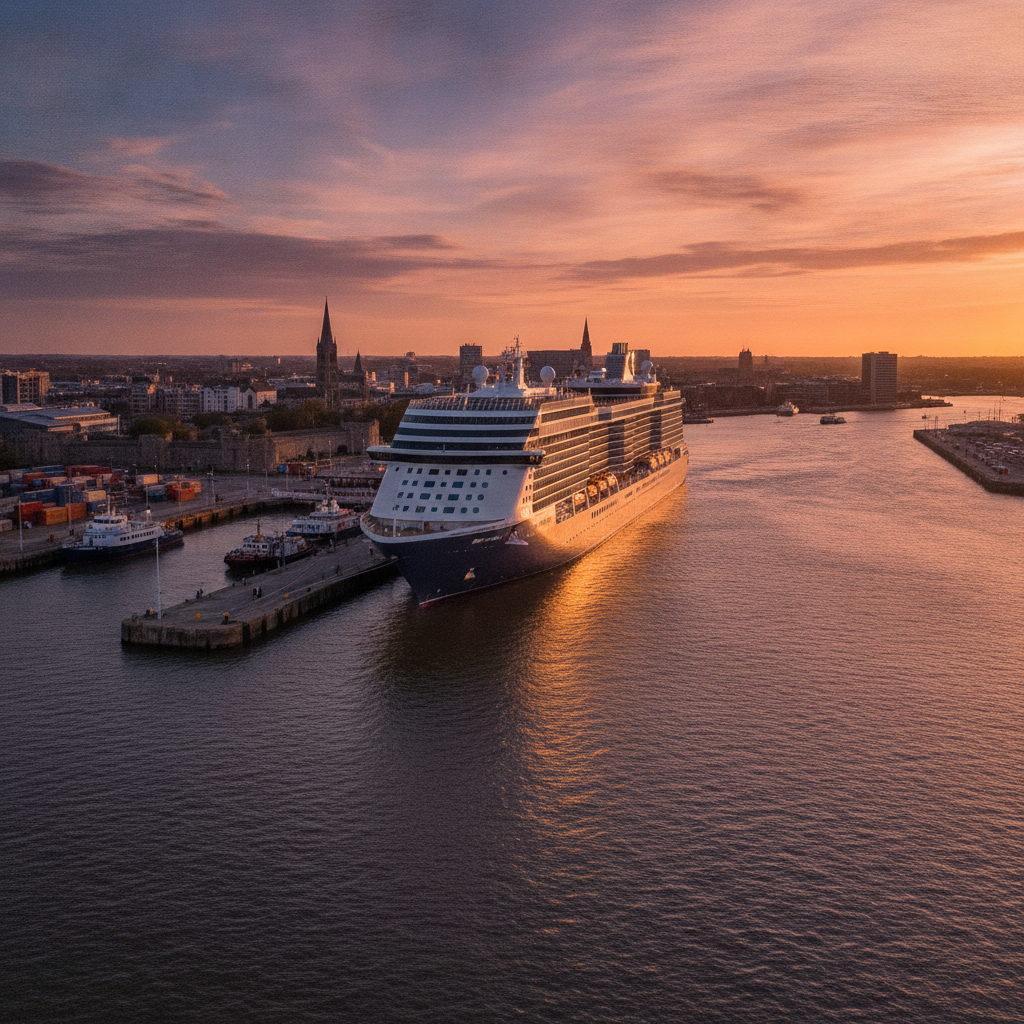
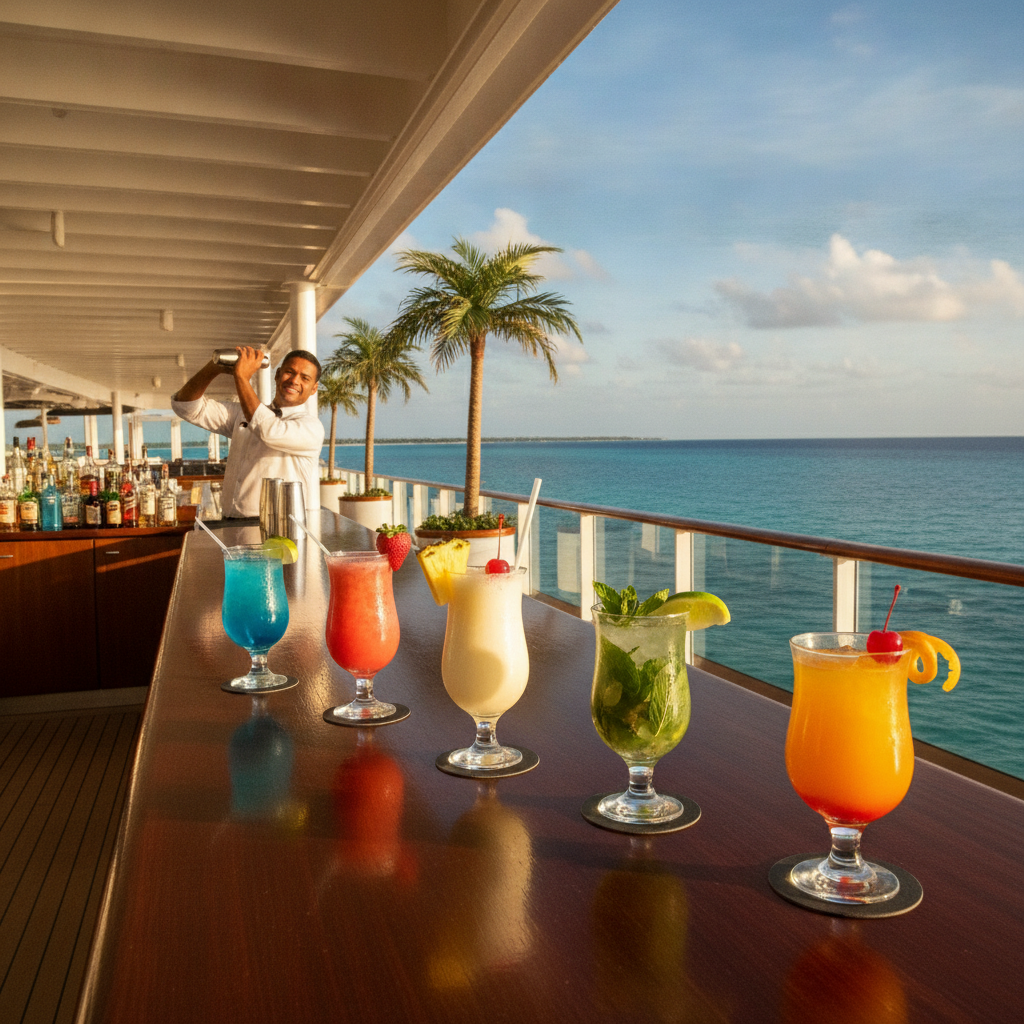
Stepping onto a cruise ship at Southampton’s Horizon or Mayflower terminal often triggers a distinct psychological shift. The 'holiday bubble' takes hold, and suddenly, spending £12 on a single cocktail or £40 on a daily Wi-Fi pass feels like a necessary part of the maritime experience. However, the convenience of the 'SeaPass' or 'cruise card' system often masks the true cost of convenience. While cruise lines like P&O Cruises or Marella offer excellent baseline value, the on-board revenue departments are expertly trained to target the gaps in your luggage. By identifying the three most inflated costs on board and adopting a savvy local strategy, you can protect your holiday budget for the things that truly matter, such as high-quality excursions or a meal at a premium speciality restaurant like Epicurean or The Krowd’s Nest.
1. Over-the-Counter Medication and Basic Toiletries
The on-board 'Essentials' shop is a masterclass in captive-audience pricing. Whether you are sailing on the massive Arvia or the more intimate Fred. Olsen Bolette, the price of basic paracetamol, seasickness tablets, or sun cream can be triple what you would pay at a high-street Boots or Superdrug. It is not uncommon to see a small bottle of sun protection priced at £18, or a packet of six ibuprofen tablets for £8.
More importantly, cruise ship pharmacies are often restricted in what they can sell without a consultation from the ship’s medical centre—which itself carries a hefty flat fee (often upwards of £100 just to see the nurse). If you develop a minor cough or an upset stomach, you might find the shop shelves strangely bare of the specific relief you need due to strict maritime health protocols.
Do this instead:
- The 'First Aid' Kit: Pack a comprehensive medical bag before you leave home. This should include rehydration salts, blister plasters (essential for those long port walking tours), indigestion tablets, and a variety of pain relief.
- Seasickness Strategy: Don't wait to buy Sea-Bands or Stugeron on board. Purchase them in the UK for a fraction of the price. If you do forget, check the Guest Services desk; on some lines like Princess or Cunard, they occasionally provide complimentary basic motion sickness tablets if you ask discreetly.
- Port Side Refills: If you run out of sun cream, wait until you hit a port. Even in expensive Mediterranean hubs like Nice or Barcelona, a local pharmacy (Farmacia) will be significantly cheaper than the ship’s boutique.
2. On-Board Internet and Data Packages
Internet at sea has improved drastically with the introduction of Starlink across fleets like Royal Caribbean, MSC, and Virgin Voyages. However, the pricing remains uncomfortably high for the average British traveller. You can easily spend £20 to £30 per day for a single-device 'stream' package. For a 14-night Atlantic Islands cruise, that is an extra £400 added to your final bill just to check emails and post photos to social media.
Furthermore, 'Premium' packages are often the only ones that allow video calling or Netflix streaming. If you buy the 'Basic' tier on a line like Celebrity Cruises, you may find it frustratingly slow, yet you have already committed the funds.
Do this instead:
- The 4G/5G 'Port-Hopping' Method: If you are cruising within the EU (and your UK mobile provider still offers inclusive roaming, or you have a cheap roaming SIM), wait until the ship is docked or near the coast. Use your mobile data to download podcasts, map routes, and send messages.
- Download Before You Depart: Utilise your home Wi-Fi to download 'Offline Maps' on Google Maps for every port on your itinerary. Similarly, download your Kindle books and Netflix series before you arrive at the Southampton terminal.
- Book Pre-Cruise: If you absolutely must have Wi-Fi (for work or family reasons), never buy it on the ship. Cruise lines almost always offer a 10% to 25% discount if you purchase the package through their 'Cruise Planner' app at least 72 hours before embarkation.
3. High-Street 'Duty Free' Alcohol and Designer Goods
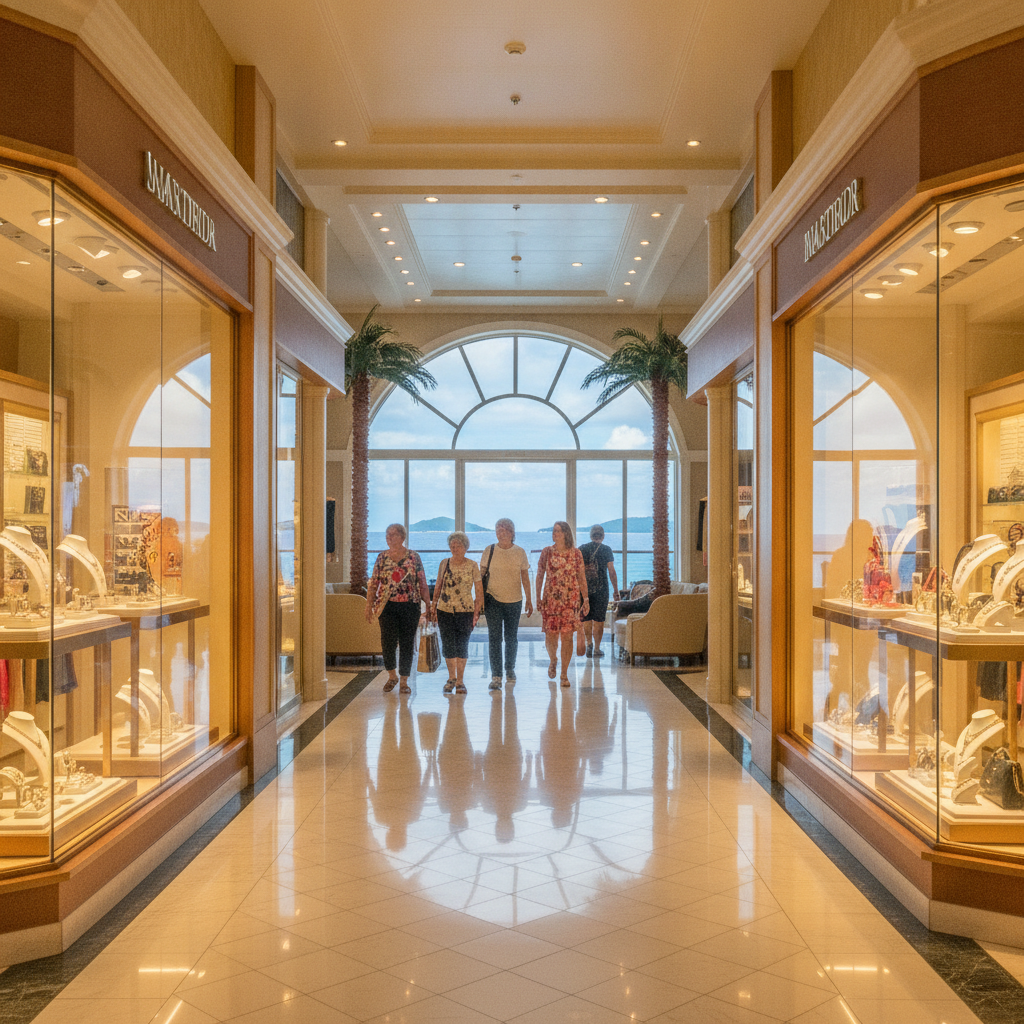
The allure of 'Tax-Free' shopping is a staple of the cruise experience, particularly on lines like P&O and MSC where the shops are a central feature of the atrium. However, the term 'Duty Free' can be misleading for UK residents. Since Brexit, the rules regarding what you can bring back into the UK have changed, and the 'savings' on board often don't beat at-home supermarket promotions or online discounters.
For example, a litre of a standard gin or whisky on board might be priced at £22. While this looks good, a UK supermarket often has the same bottle on 'Clubcard' or 'Nectar' price for £20. Furthermore, if you buy alcohol on board, the ship will hold it for you until the final night, meaning you cannot even consume it in your cabin.
Do this instead:
- Utilise Your Allowance: Most cruise lines allow you to bring a limited amount of alcohol on board at embarkation in Southampton. P&O Cruises, for instance, allows each guest aged 18 or over to bring up to 1 litre of wine, Champagne, beer, spirits, or liqueurs on board during initial embarkation. This is far more cost-effective than buying a bottle from the on-board shop.
- Check the 'Blue Light' or Port Prices: If you are looking for high-end watches or jewellery (like Pandora or Pre-owned Rolex often seen on Royal Caribbean), research the UK RRP (Recommended Retail Price) before you sail. You will often find that high-street sales in the UK offer better consumer protection and similar, if not better, prices.
- Local Specialities: Instead of buying a generic bottle of Smirnoff from the ship’s shop, wait until you are in Funchal or Lisbon and buy a local Verdelho or a unique Port. It serves as a better souvenir and offers genuine local value.
Understanding the 'Gratuity' Trap on Purchases
When buying items on ships operated by American-owned lines (such as Royal Caribbean, Princess, or Celebrity), it is vital to remember the 'hidden' 18% to 20% service charge. While the price tag on a spa product or a bottle of wine might look acceptable, that additional percentage is added automatically at the till.
British-centric lines like P&O Cruises and Marella Cruises are much more transparent, as their prices are typically inclusive of tips. If you are sailing on a line where gratuities are extra, always ask: "Is the service charge included in this price?" before you hand over your cruise card. This is particularly relevant in the spa, where therapists are often incentivised to sell you 'Elemis' or 'Medi-Spa' products after a treatment. These products are world-class, but they are almost always available for less on the UK high street or through official online outlets.
The Real Value of Pre-Booking
The overarching rule for avoiding the 'Cruise Premium' is to settle your requirements before you see the Solent. This applies to more than just the three items listed above. Shore excursions booked through the ship provide peace of mind (the ship won't leave without you), but they come at a significant markup. For a family of four, an organised bus tour in Rome can cost £400; the same itinerary managed privately or via local trains could be less than £100.
By arriving in Southampton with your medical essentials packed, your data needs managed, and a clear understanding of UK high-street prices, you transform from a 'captive consumer' into a savvy traveller. This doesn't mean you shouldn't treat yourself—after all, that is what cruising is for—but it ensures that every pound spent on board is a choice, rather than a necessity dictated by lack of preparation.
Not sure where to start?
Answer a few quick questions and we'll match you with your perfect cruise.